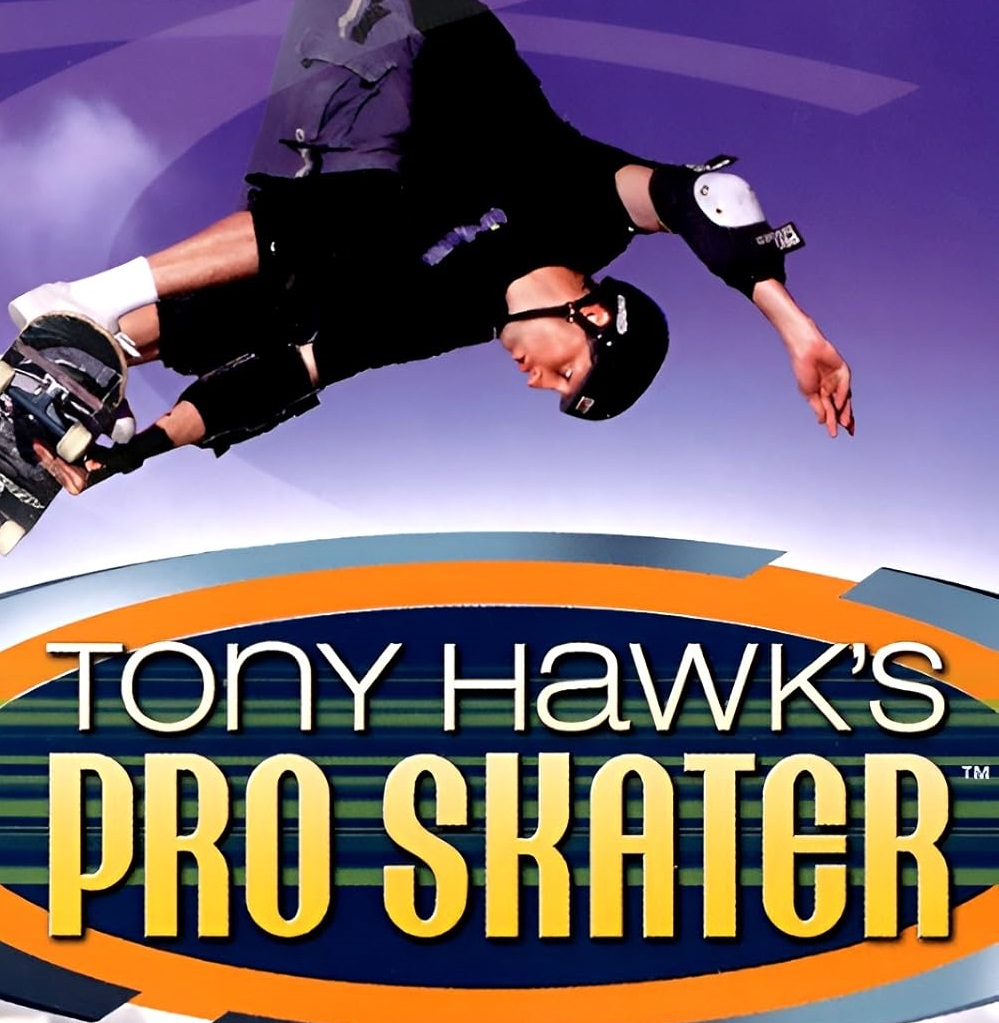
The game that launched a massive run on extreme sports in the video game world, does the original Tony Hawk hold up?
What Is It? Tony Hawk’s Pro Skater released in 1999 and introduced the gaming world to an extremely arcade-ified version of professional skating. The game contained 10 professional skaters, including Tony Hawk, had a killer punk soundtrack, and let players pull off ridiculous combos to score big points. The format would be copied for years, both in sequels and by many, many extreme sports imitators.
The game is played out over 9 levels. For most of these, players get two minutes to traverse an area attempting to collect five tapes which are available by accomplishing tasks of a consistent format: a good score, a great score, collecting letters to spell ‘SKATE’, finding the hidden tape, and grinding/crashing into five stage-unique items. Gaining tapes will unlock more boards and levels. There are also three competition levels, which give players three one minute heats to score as many points as possible. These runs are scored and compared to CPU scores, with gold, silver, and bronze awards being handed out. The competition levels are much smaller and laid out like skate parks while the normal levels are larger, city-areas.
The real achievement this game dropped on the video game world was drastically simplifying the control scheme for games like this. Have you tried playing, say, 1080 Snowboarding lately? Yikes. THPS used the four face buttons wisely; jump, flip trick, grab trick, and grind. Shoulder buttons help turn, but are optional as the analog stick (or d-pad) will also spin you. The controls are simple enough that a young kid can pick up the game, jump, hit some buttons, and see some points show up. The controls are sophisticated enough that experts can chain together ridiculous combos even without manuals, as those weren’t added until a later entry in the series.
I love manuals in the later games and remakes, my fingers instinctively tried to start manuals every time I played this game, despite them not existing. However, there is something freeing about not having them. It forces you to find more interesting lines that actually connect rather than jumping anywhere and manualing to the next rail or ramp. It also puts a heavy emphasis on finding gaps, especially in the competition levels, as those bonus points go a long way to ramping up your score. I’m not saying the game is better for not having manuals, I’m saying it is different and I’m glad this game exists without them.
Great level design, great gameplay, pure fun even 25 years later.
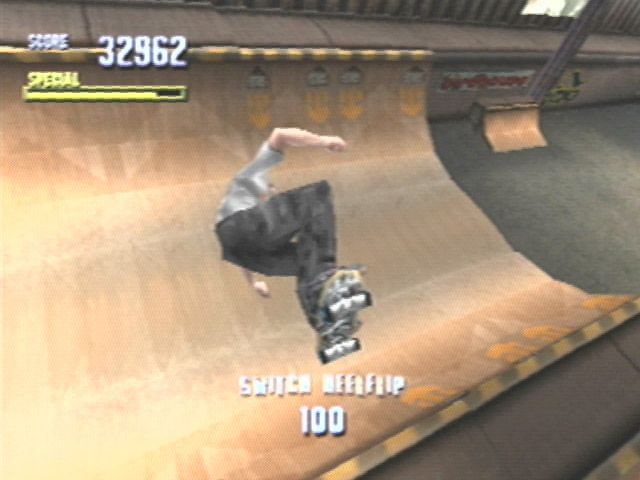
The Best Part: The two minute timer on standard levels. This works on a few different levels. Initially, it simply puts pressure on you to achieve the goals with a ticking clock in the corner. That pressure can be bad in many games, but it works well given the low stakes; it’s only two minutes, just try again! The limit also ensures the levels are a bit smaller than they might have otherwise been. I’d estimate that you can get to the furthest point from the start in any level within about 15 seconds. That makes it easy to explore and learn the levels, something that does get a bit lost in the later games in the series which abandon the time limits. Was the two minutes just an excuse to justify the small levels required by hardware limitations? Maybe, but it doesn’t take away from the end result being a perfect, constrained experience.
The Worst Part: The soundtrack. This isn’t quite fair to the game, because the songs that are here are great with “Superman” being my personal favorite, but the track list does not match the quantity, quality, or variety of later entries in the series. Only ten tracks and they are all firmly in the punk genre, the tracks get a bit old as you are constantly restarting a level to try to get the high score, you will become way more familiar with the first 20 seconds of “Jerry Was a Race Car Driver” than you ever wanted to.
The Verdict: The hidden tape in the San Francisco level, the last non-competition level in the game, is difficult to grab. It requires you to skate across the whole level to get to a specific point then some combination of speed and precision from there on out. That’s all to say; it probably took me somewhere between 40 and 50 tries to get the tape. In most games this would have been tedious. The highest compliment I can give this game is that on those 45 tries, give or take, while I was skating across the whole level, never once did I simply just skate. I would do tricks, seeing the best combos I could string together, inevitably crash, and simply have a blast traversing the level on a skateboard. The core gameplay is so good, and holds up so well, that any time spent on these digital streets is a good time. Long live Tony Hawk’s Pro Skater.
How to Play: PlayStation 1, Dreamcast, N64 Remake: PS 4/5 Xbox One/Series, Switch, PC
Leave a Reply