Samus’s origin story is told in this Gameboy Advance classic
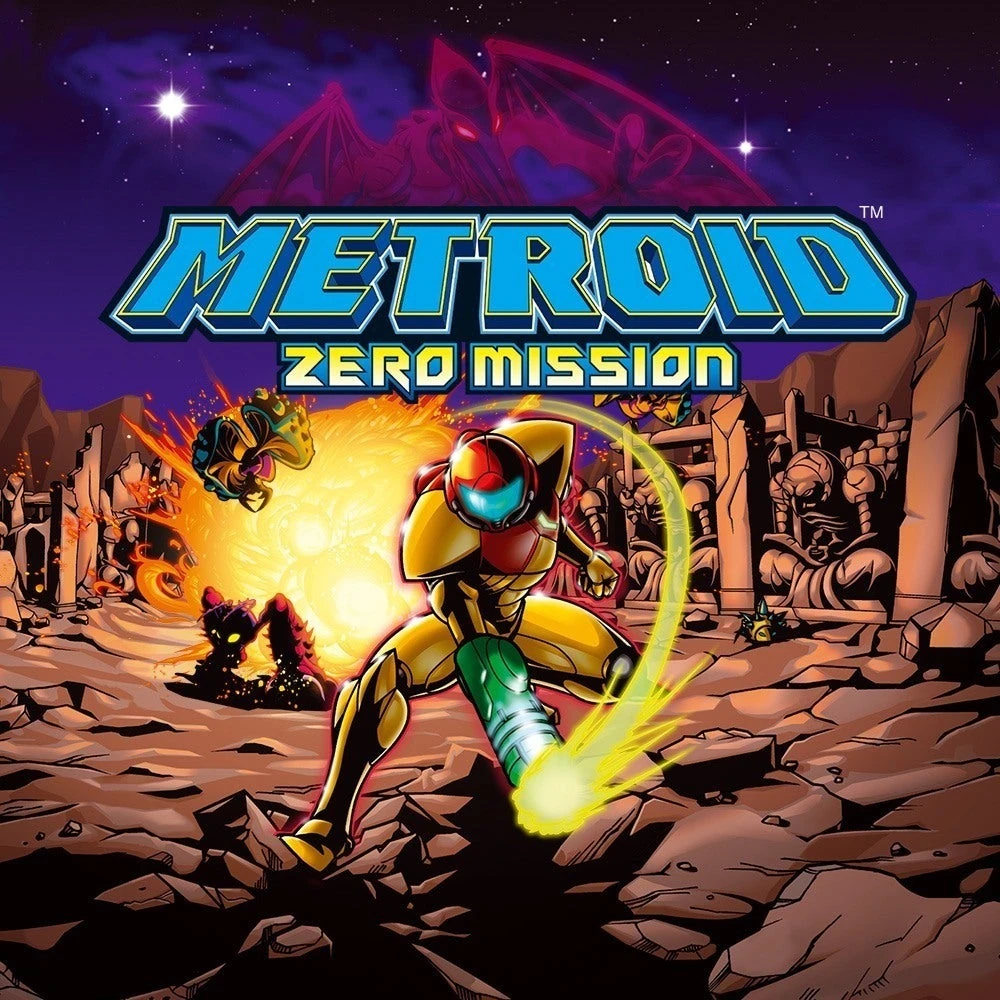
What Is It? Metroid Zero Mission is a classic 2D Metroid adventure telling Samus Aran’s origin story. Originally released on the Gameboy Advance in 2004, the game is currently available through Nintendo Switch Online.
The game is a remake of the original NES game, with updates to gameplay and visuals. To me, the game looks and plays like a bite-sized take on Super Metroid, which is something I’m absolutely here for.
You take control of Samus after her ship is shot down in an unknown area. She starts exploring and finds the classic Metroid Chozo statues which grant her additional abilities that she uses to access new areas of the map, take out new enemies, and ultimately escape. There is nothing unique about the formula in Zero Mission if you’ve played other games in the series, or many Metroidvanias in general, but the familiarity is a strong point of this game, not a weakness.
Samus quickly finds her most basic abilities: missiles, morph ball, and bombs. These augment her basic blaster attack and provide the foundation for the gameplay. You will spend your time traversing through a few areas of the world, each with their own maps to discover. The typical gameplay loop is entering a new area and advancing through each screen, blasting enemies along the way. The game will throw environmental obstacles in your way, such as needing to blast certain blocks to progress or use the morph ball to fit into a tight spot. Pass through a screen to enter the next, and repeat until you find a new ability which will allow you to access areas you couldn’t previously. A Metroidvania, basically.
I’m purposely not describing the finer details of the moment-to-moment gameplay because this is a formula which dates back over 30 years at this point. Samus controls well, she shoots her blaster/missiles, can roll around as a ball, and so on. It is exactly what you expect it to be.
The game gives you broad stroke hints about where to go next, but leaves the details up to you. A glowing ball of light on an unexplored section of your map lets you know which sector to be in, but figuring out the trick and/or new ability you need to access that spot is up to you. On this front, the game, mostly, lands in a nice middle ground between the “completely left to your own devices” and “pinpoint every objective on the map” styles games in the genre often choose between.
Enemies are pretty basic here, with a few scaling up in strength to match your abilities improving. If you reach an enemy you can’t easily kill with a few shots of your best weapon, you can probably expect an upgrade soon. Without spoiling the details, Samus eventually gets outfitted with most of her classic range of abilities once her suit is fully powered up.
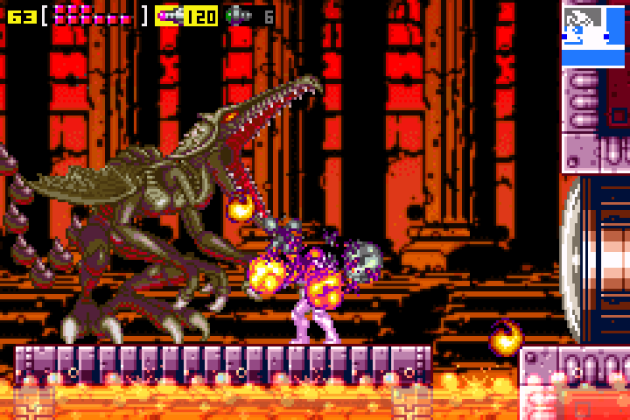
There are a few recognizable boss fights here as well, none of them anything remarkable. If I weren’t familiar with the series I probably would have found them lacking a bit, but for fans, they are nice, familiar bosses and fun to see.
My end-game summary said I played for almost exactly four hours. I think this ignores the reloads I needed after deaths, but I estimate I had well under an hour of those in this game. Visually, the game is a fun step above Super Metroid, notably in some of the cutscenes they managed to cram into this GBA game.
The Best Part: This game plays out like a condensed, tighter version of Super Metroid, with the bonus of having some of its rough edges smoothed out. I’m a big fan of distilling a classic experience down to something smaller, and Zero Mission accomplishes that. Removing the grappling hook alone is worth a few points in my book, but streamlining the exploration by adding general waypoints is another way the game copied the formula from a classic and made it just a bit better. No spoilers, but the game also throws some twists at you near the end to introduce some variety that other games in the series don’t explore.
The Worst Part: While the game does add generic waypoints in many spots, oftentimes getting there still hinges on finding the one breakable block across one of a handful of screens. Purists will argue that this type of puzzling is classic Metroid, but I still, without fail, roll my eyes when I find that one block that was stopping my progress for 30 minutes while I went through entire areas four or five times. I enjoy the blockers which are based on abilities you need to find, as those abilities often naturally reveal themselves if you follow the natural flow of the game. I’m not totally against this type of progression, it is just that it feels way more natural in some spots than it does in others and I wish they all felt solidly within the natural game instead of artificially blocking you because you didn’t shoot a missile at the correct piece of terrain.
The Verdict: Metroid Zero Mission is a great game. It takes the formula Super Metroid mostly perfected, distills it down to about four hours and smooths some rough edges while providing the same core gameplay. It remains a really fun playthrough twenty years later. This is about all I could ask out of a Gameboy Advance game.
Zero Mission won’t convert any non-Metroid fans, as it doesn’t change much. I still think Fusion is probably the best entry point for most people, given its more linear nature, but Zero Mission is worth a shout-out for being the shortest 2D Metroid out there. It’s not the worst idea to try out something short to see if it sticks, if you’re looking to get into a new franchise.
As it stands, Zero Mission holds up as one of the “good” 2D Metroids. It captures the essence of the series well, does so in record time, and even switches things up more than others in the series. It’s a great time and one I’m glad I finally got around to trying.
How to Play: Gameboy Advance, Nintendo Switch Online*
*console played on for this review
Leave a Reply